

Economy Beginning to Recover, But Beware of the "Price" Behind It
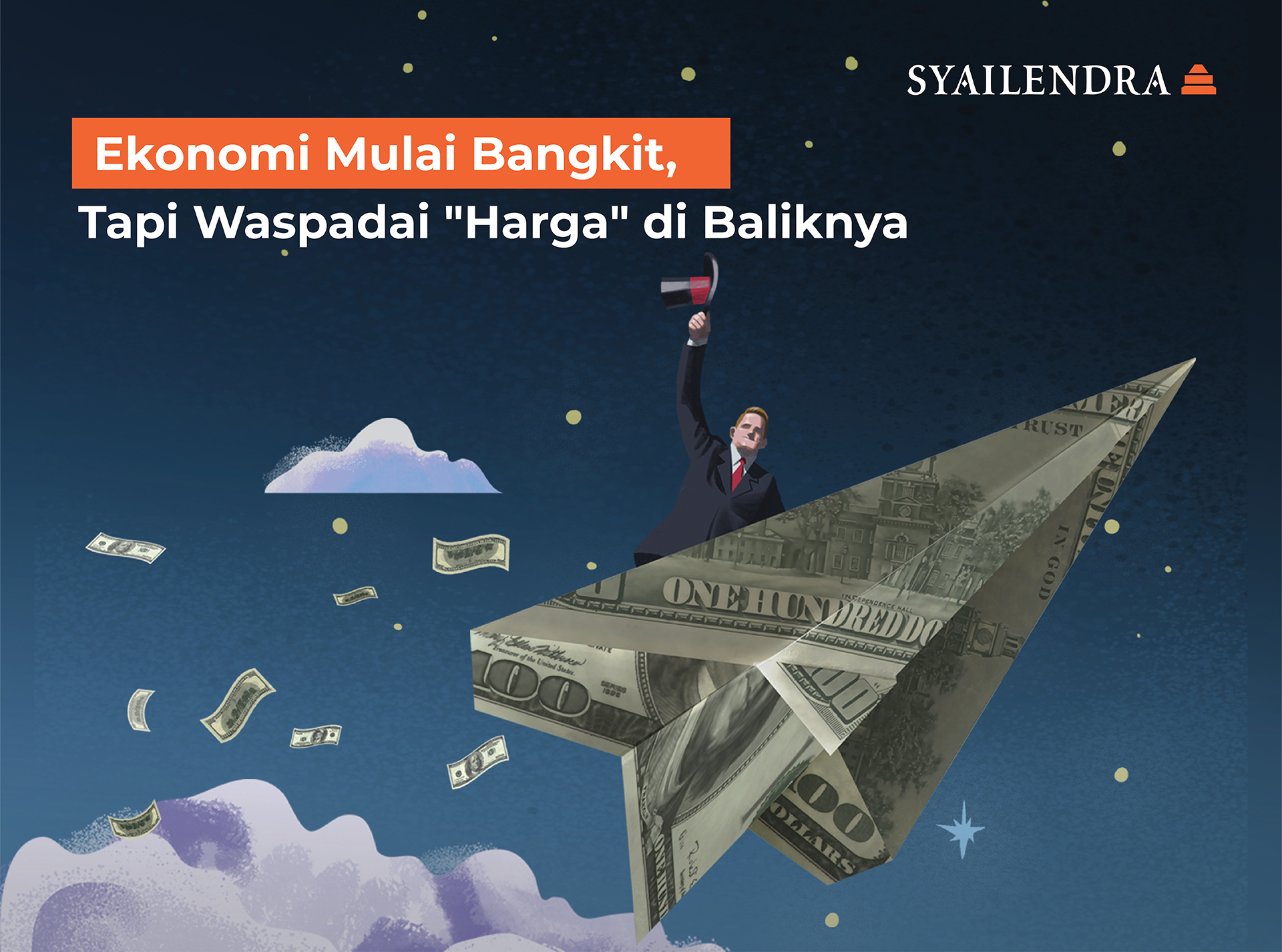
As we enter August 2025, we are greeted with several important updates from Indonesia's economy. On one hand, there are signs of recovery. But on the other hand, there are consequences from trade agreements and pricing pressures. Let's discuss this together!
New Tariffs from the US, Major Commitments from Indonesia
Since 1 August, reciprocal tariffs between Indonesia and the US have officially come into effect. Indonesian goods are now subject to a 19% tariff, down from the previous 32%. However, this tariff reduction comes with a "price".
In return, Indonesia has granted several concessions:
- 99.3% of goods from the US are tariff-exempt.
- Relaxation of local content requirements (TKDN).
- Commitment to purchase energy, agricultural, and aircraft products from the US totalling $22.7 billion.
According to several economists, the impact on Indonesia's economy remains moderate:
- Economic growth is projected to decline by -0.2% (2025F: 4.8%).
- State revenue decreases by Rp 17 trillion (0.6% of the state budget).
Manufacturing Sector Has Not Fully Recovered
Indonesia's PMI for July was recorded at 49.1, up from 46.9 in the previous month. However, this figure remains below 50, which means Indonesia's manufacturing sector is still in contraction for the fourth consecutive month. This reflects that demand and production activity have not yet fully recovered.
Inflation Rising, Driven by Gold and Food Prices
July inflation rose to 2.37% (from June: 1.87%), driven by increases in gold and essential commodity prices:
- Gold prices rose, contributing +0.46%.
- Red onion prices rose +59.3% YoY.
- Rice prices rose +4.0% YoY.
Although still within Bank Indonesia's target, this trend needs to be monitored as it could affect public purchasing power.
Trade Surplus Remains Consistent
Here's some good news: Indonesia's trade balance has remained in surplus for 62 consecutive months.
- June surplus: $4.1 billion (a slight decline from May: $4.3 billion).
- Exports rose +11.3% YoY, led by CPO products (+22.1%).
- Imports rose +4.3%, mainly machinery and equipment (+21.0%).
This means Indonesia continues to generate net income from international trade.
What Does This Mean for Investors?
Economic recovery is indeed beginning to take shape, but it comes with challenges. From populist government policies to inflation pressures and manufacturing slowdown, all of this indicates that investors need to remain cautious yet optimistic.
It's Time to Stay Diversified Through Mutual Funds
In the midst of this varied economic environment, one of the wisest ways to continue growing is by investing in mutual funds.
Syailendra Mutual Funds are professionally managed, diversified, and accessible starting from affordable amounts.
Looking for stability? You might consider fixed income products, such as
Syailendra Pendapatan Tetap Premium (SPTP)
Syailendra Fixed Income Fund (SFIF)
Ready to seize growth opportunities? There are also equity fund options.
Syailendra Equity Opportunity Fund (SEOF)
Syailendra Alpha Focus Equity Fund (SAFE)
Want something aligned with Sharia principles? Don't worry, we also have Sharia products!
Syailendra Sharia Fixed Income Fund (SSFIF)
Syailendra Sharia Money Market Fund (SSMMF)
Let's start your investment journey with Syailendra Capital.
Invest more wisely, live with greater peace of mind.

Follow Us on:


PT Syailendra Capital is licensed and supervised by the Indonesia Financial Services Authority (OJK)