

US Military Action in Venezuela and Its Implications for Financial Markets
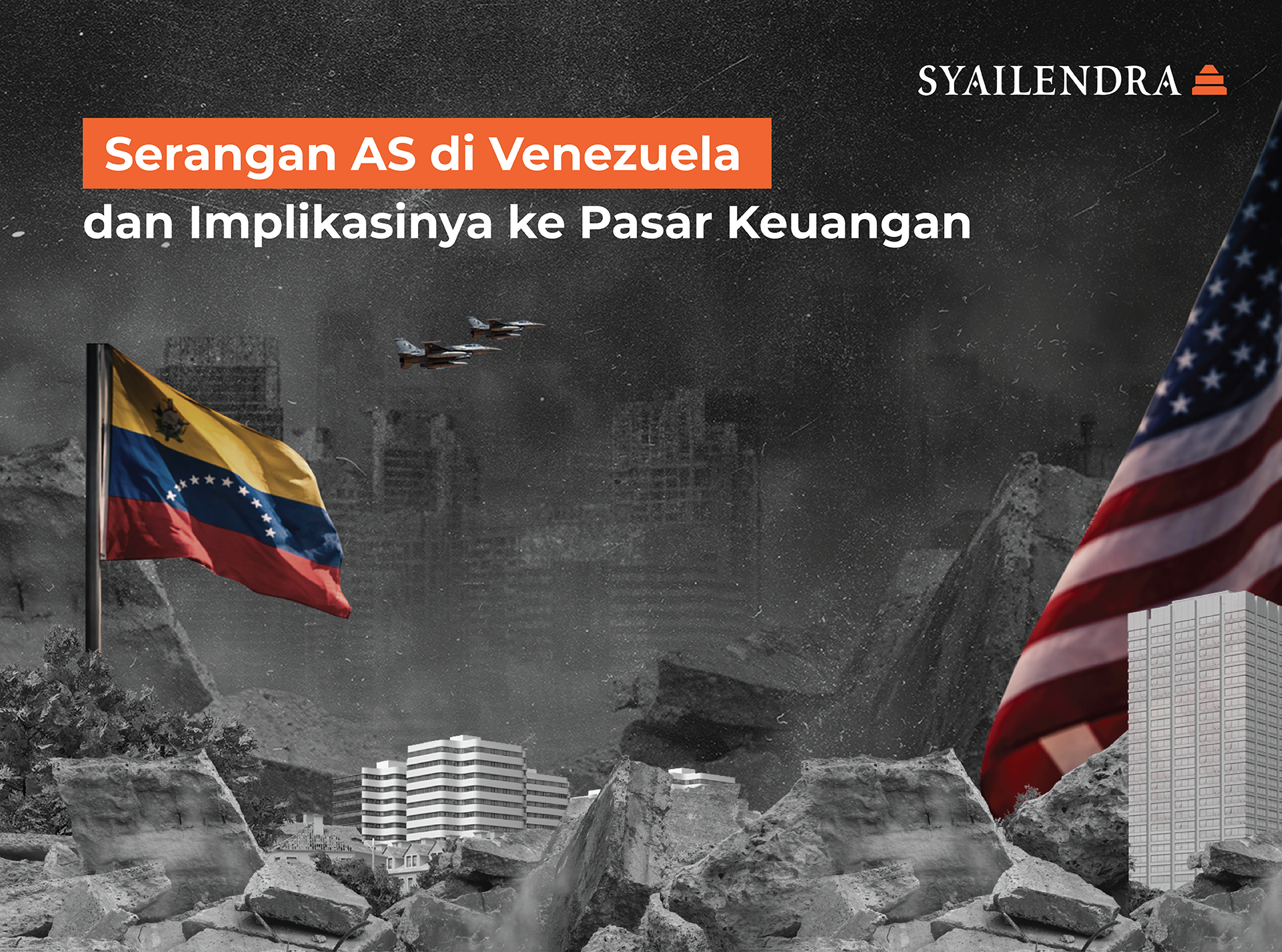
The latest event shaking global geopolitics is the US military operation in Venezuela—including drone strikes, bombing of strategic facilities, and the arrest of President Nicolás Maduro, which has triggered a wave of international reactions. This is not merely a headline, but affects market sentiment, commodity prices, and the flow of global investment.
Brief Timeline of Events
On 3 January 2026, US forces launched a major military operation in Venezuela known as Operation Absolute Resolve—through air strikes and special operations that culminated in the arrest of President Nicolás Maduro and his wife. This action represents a significant escalation compared to typical geopolitical tensions.
International reactions have been varied—many countries have condemned the intervention as a violation of international law, while some US allies view it as a strategic move against a regime with strong geopolitical ties to non-Western actors.
Market Impact: Commodities & Risk Sentiment
1. Oil Price Rebound & Safe Haven Assets
- Crude oil rose more than 3% following this geopolitical news, reflecting concerns about potential disruption to global supply despite Venezuela's relatively modest contribution to world supply.
- Gold and precious metals have once again become attractive safe haven assets for investors during a high-risk phase.
However, analysts also note that the impact on long-term oil fundamentals is likely not as strong as the immediate sentiment—given Venezuela's production has been structurally depressed by internal issues, sanctions, and inadequate infrastructure.
2. Equities & Volatility Risk
Sharp geopolitical news like this typically brings:
- Spike in short-term volatility in global equities
- Rotation from high-risk assets towards safe assets
- Movement of major currency indices such as USD as a safe haven
However, market analysts emphasise that if the conflict does not escalate into a broader energy crisis, the financial sector's reaction to this shock could be relatively limited and temporary.
Investment Perspective: Risk vs. Opportunity
Understanding the Risk-Off & Risk-On Cycle
Investors need to understand that geopolitical events like this have the potential to shift market risk appetite:
Risk-off: Risky assets decline, traders take positions in safe havens (gold, government bonds)
Risk-on (after the shock subsides): Markets tend to normalise, and fundamental opportunities regain prominence
This impact mirrors market responses to other major geopolitical conflicts in the past—high volatility but long-term opportunities remain in sectors supported by strong fundamentals such as consumption, technology, and infrastructure.
Implications for Indonesia & Local Investors
Although geographically distant from Indonesia, major geopolitical impacts like this still have ripple effects on domestic markets:
- The IHSG & regional equity markets can be pressured by global risk aversion
- Safe haven assets—including Indonesian government bonds—may experience higher demand
- Commodities & energy become key topics on Indonesian investors' radar
Global geopolitical risk underscores the importance of portfolio diversification, as well as a sound strategy for managing short-term risk without compromising long-term investment objectives.
Key Takeaways for Syailendra Investors
Stay calm and rational: Market reactions will be sharp but often temporary.
Diversification is key: Gold & bonds can serve as a hedge when geopolitics heats up.
Focus on long-term fundamentals: Geopolitical conditions can create volatility, but do not always change global economic trends.
This major issue at the beginning of 2026 demonstrates that geopolitics remains one of the factors accelerating market volatility and affecting global investment. Investors who understand geopolitical dynamics and markets can use this phase to refine their strategy, strengthen their diversification, and select investment products that match their risk profile.

Follow Us on:


PT Syailendra Capital is licensed and supervised by the Indonesia Financial Services Authority (OJK)